What to know about Kennington fly tipping rules and rubbish
Posted on 13/06/2026
If you live, work, or manage property in Kennington, rubbish is rarely just "rubbish". A missed bin day, a bulky item left in the wrong place, a builder's skip that overflows, or a mattress dumped beside a railings line can quickly become a fly tipping problem. And once that happens, the question is no longer only about clearance. It is about rules, responsibility, cost, and what to do next without making the situation worse.
This guide to What to know about Kennington fly tipping rules and rubbish explains the basics in plain English. You will learn what counts as fly tipping, why it matters locally, how lawful waste disposal usually works, which mistakes people make most often, and how to choose the most sensible way forward when you need rubbish removed quickly. To be fair, the details are not exciting. But getting them right can save a lot of hassle.
Along the way, we will also touch on practical clearance options and the kind of local planning that keeps streets, shared hallways, and front gardens looking decent rather than like a hurried afterthought. If you are comparing solutions, the broader context in services overview and the pages on rubbish collection in Kennington and waste removal in Kennington can help frame the options.
Why What to know about Kennington fly tipping rules and rubbish Matters
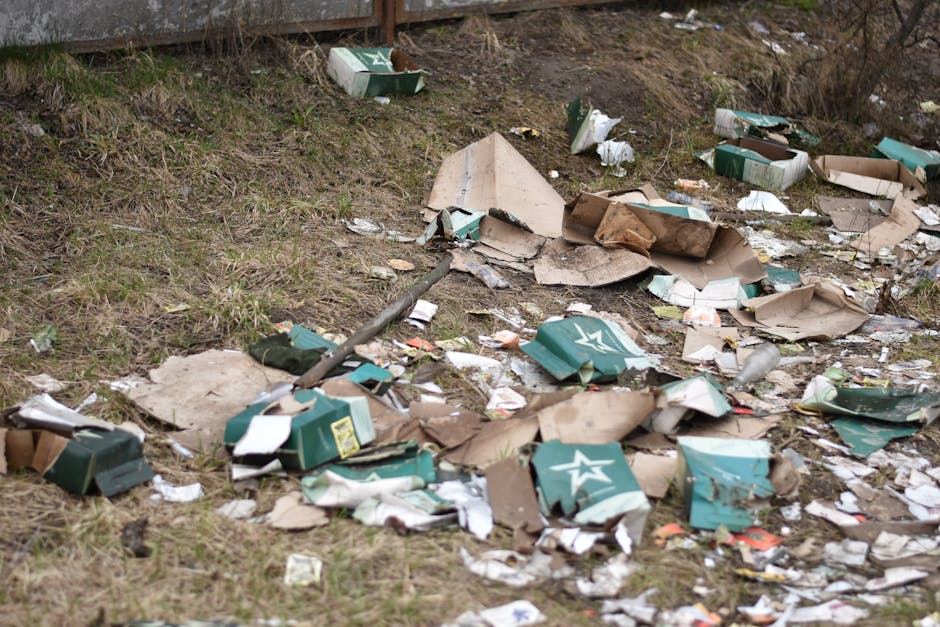
Fly tipping is not just an eyesore. It can block pavements, attract pests, create safety risks, and cause friction between neighbours who then have to look at someone else's mess all week. In a place like Kennington, where streets, terraces, blocks of flats, and shared access areas sit very close together, one poor dumping decision tends to be visible to everyone. That is the simple truth.
It also matters because the responsibility for waste does not disappear just because it leaves your hands. If rubbish is handed to an unlicensed collector, or left where it should not be, the result can be complaints, investigation, and avoidable expense. Many residents only realise this after a bin bag has been split open by weather or foxes. By then, the problem is bigger, smellier, and more awkward than it needed to be.
There is a broader local benefit too. Proper rubbish handling helps keep communal spaces usable, reduces conflict over shared entrances and alleys, and makes everyday life feel less cluttered. A tidy street sounds minor until you are walking home late with shopping bags and stepping around someone else's broken wardrobe. Then it feels very real.
For residents looking to understand the area a little more deeply, the posts on resident views in Kennington and why Kennington is such a strong London choice give useful local context. They are not about waste rules directly, but they do help explain why keeping the area clean matters to day-to-day life here.
How What to know about Kennington fly tipping rules and rubbish Works
At a basic level, the system is simple: waste should be stored securely, sorted sensibly, and handed to a lawful collection route. In practice, the tricky part is choosing the right route for the type and volume of rubbish you have. A couple of bin bags, a broken chair, and garden clippings are not always handled the same way as renovation rubble or a full house clear-out.
Fly tipping usually refers to waste being dumped where it is not allowed. That can mean a roadside lay-by, a pavement corner, communal land, the edge of a park, or even next to a wall because someone hoped it would "go later". Later never really comes, does it? The waste sits there until someone else has to deal with it.
In Kennington, the practical decision often comes down to these questions:
- Is this ordinary household waste, bulky waste, garden waste, or construction debris?
- Can it be stored safely without creating a nuisance or obstruction?
- Do you need a one-off collection or a larger clearance?
- Will the waste be removed by a lawful, insured collector?
- Can the items be reused, recycled, or separated before disposal?
If the answer to any of those points is uncertain, it is usually better to pause and check rather than rush. A hurried decision with waste has a habit of becoming an expensive one. If you are comparing local disposal options, the detail in rubbish clearance costs for SE11 houses and flats is helpful for understanding how property type and load size can affect the job.
As a general rule, reputable waste services should be transparent about what they take, how they load it, and whether recycling or sorting is included. That transparency is not a luxury. It is a sign that the disposal chain is being handled properly from start to finish.
Key Benefits and Practical Advantages
Following the rules around rubbish disposal is not just about staying out of trouble, although that is a strong reason in itself. It also gives you practical advantages that show up immediately in everyday life.
- Cleaner shared spaces: hallways, front gardens, and side passages stay usable.
- Lower risk of complaints: neighbours and managing agents are less likely to chase you about waste left behind.
- Better recycling outcomes: separating items properly makes it easier for recyclable material to be recovered.
- Less stress: you avoid last-minute panic when rubbish suddenly becomes everyone's problem.
- Fewer avoidable costs: fixing a dumping issue is often more expensive than clearing it correctly in the first place.
There is also a subtle but important benefit: proper rubbish handling protects the feel of the neighbourhood. Kennington has that lived-in London character where you notice the little things, like a neat row of bins or, conversely, a bag of plasterboard leaning in the wrong place for three days. Small things add up. Residents feel that difference whether they say it out loud or not.
For households and landlords, this becomes even more relevant during moves, refurbishments, or end-of-tenancy periods. If the load is too much for your normal bin arrangement, it is far better to plan a clearance than to gamble on a corner drop-off. In that sense, a tidy process is also the efficient process. Funny how often that happens.
Who This Is For and When It Makes Sense
This guidance is useful for a wide range of people, and not only for those who have already had a waste problem. In fact, the best time to read it is before the rubbish pile gets awkward.
- Homeowners: especially if you are replacing furniture, clearing a loft, or dealing with old appliances.
- Tenants: useful when moving out and wanting to avoid charges or disputes over leftover items.
- Landlords and letting agents: helpful for managing clear-outs between occupancies.
- Flat owners and residents in shared buildings: particularly where storage space is tight.
- Tradespeople and renovators: essential for managing builders' waste responsibly.
- Small businesses: offices, salons, studios, and shops often accumulate mixed waste faster than expected.
It also makes sense if you are dealing with a one-off issue, such as a sofa left after a delivery, bags from a DIY weekend, or garden cuttings after a big tidy-up. Those jobs look small until you try to wedge them into limited bin storage. Then they feel much larger.
For flat dwellers and people in tighter spaces, local advice such as cheap waste removal for Kennington flats SE11 can be especially relevant because access, stairwells, and loading time all affect what is practical.
As a practical note, if you are already feeling pressure from clutter, renovation leftovers, or an end-of-tenancy deadline, the sensible move is usually to get the waste out of the equation quickly and legally. That one decision can calm the whole situation down.
Step-by-Step Guidance
If you want a simple route through the mess, start here. Nothing fancy. Just a workable process that reduces risk and confusion.
1. Identify what you actually have
Split the waste into rough groups: household rubbish, bulky furniture, garden waste, electrical items, cardboard, and builders' debris. A mixed pile is where people get caught out, because not everything can be treated the same way. Wet timber, broken tiles, and an old mattress are all different beasts.
2. Separate anything reusable or recyclable
It is worth pausing to ask whether some items can be donated, reused, or broken down for easier sorting. A mirror with a good frame may be salvageable. A stack of cardboard should not be lumped in with contaminated waste if it can be flattened and handled separately. Small effort, big difference.
3. Check access and storage
Think about where the rubbish will sit before collection. Can it be kept inside? Will it block a fire exit? Is there a shared entrance or a narrow passage? In Kennington, these practical details matter a lot because many properties have limited outdoor space. You do not want to create a second problem while trying to solve the first.
4. Choose a lawful collection route
Use a proper collection or removal service that can explain what happens to the waste. Ask how items are loaded, whether recyclable materials are separated, and whether the service is appropriate for your load size. If the answer sounds vague, that is usually a bad sign. Trust your instincts there.
5. Keep records where needed
If you are a landlord, business owner, or managing agent, keep a note of what was removed, when, and by whom. That is not being overcautious. It is just good housekeeping. In regulated or shared settings, paperwork can save a lot of arguments later.
6. Avoid leaving waste "temporarily" in the wrong place
That phrase causes trouble more often than people admit. Temporarily on the pavement. Temporarily by the gate. Temporarily beside a wall. It may feel harmless for an hour or two, but the weather, passers-by, and local complaints can turn temporary into "reported".
If you need help deciding what type of collection fits the job, builders' waste disposal in Kennington, garden waste removal in Kennington, and house clearance in Kennington are useful examples of how different waste streams need different handling.
Expert Tips for Better Results
The best waste jobs are usually the boring ones, frankly. They are the ones where the plan is clear, the access is sorted, and nobody is improvising with bin bags at the last minute. Here are a few things that make a real difference.
- Bundle similar items together. It makes loading faster and can reduce confusion about what needs separate disposal.
- Take photos before collection. Helpful for landlords, agents, and anyone wanting a clear record.
- Measure awkward items. Sofas, wardrobes, and desks often cause more trouble than expected in narrow stairwells.
- Warn neighbours if access will be tight. A small courtesy note can avoid a grumpy afternoon.
- Ask about recycling and sorting. A good operator should be able to explain how mixed waste is handled.
One thing we see often is people underestimating the access challenge in flats. A clear front room can still turn into a difficult collection if the lift is tiny, the stairwell is sharp, or parking is awkward. That is not a failure. It is just London being London.
If you are concerned about avoiding surprise charges or awkward add-ons, the advice in avoiding hidden rubbish fees in Lambeth is a smart companion read. It helps you think about quotes, load descriptions, and what to ask before booking.
Expert summary: the safest approach is simple: know what you are disposing of, keep it out of shared trouble spots, and use a collection route that is transparent about handling and recycling. Most waste problems begin with assumptions, not bad intentions.
Common Mistakes to Avoid
Most fly tipping trouble starts with shortcuts. Small shortcuts, usually. Nothing dramatic. But rubbish is very good at turning "I'll deal with it later" into a real problem.
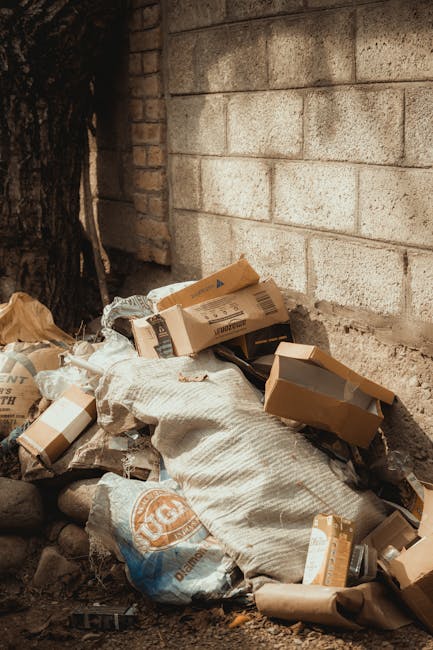
- Leaving items beside communal bins: if they are not meant for that space, they can be treated as dumped waste.
- Using unknown collectors: if someone offers a cheap uplift and cannot explain where the waste goes, be careful.
- Mixing hazardous items with general rubbish: some items need special handling and should never be tossed in casually.
- Overfilling bags or containers: split waste is harder to manage and more likely to create mess.
- Assuming "someone else will move it": in shared buildings, that attitude creates resentment fast.
- Ignoring access restrictions: blocking a path, doorway, or pavement is a bad idea even for a short period.
Another common issue is underestimating the volume. A spare room full of "a few bits" can easily become a serious clearance once it is all gathered together. You know the feeling: one broken chair, one old printer, a bit of packaging, then suddenly there are six bags and a filing cabinet nobody wants.
For that reason, it can help to read about the local service landscape before making a decision. The page on pricing and quotes is useful if you want to understand how a proper quote process usually works.
Tools, Resources and Recommendations
You do not need specialist equipment to deal with most household rubbish, but a few simple tools make everything easier and safer.
- Heavy-duty bags: better for dense waste and less likely to split.
- Gloves: basic protection, especially if you are sorting mixed waste by hand.
- Tape and labels: helpful when separating items for recycling or reuse.
- Measuring tape: handy for bulky furniture and access points.
- Notebook or phone notes: useful for recording what needs to go and what can stay.
If your waste job is more than a couple of bags, it is often worth comparing a general collection with a more tailored service. For example, office rubbish, house clearance, and garden waste all come with different expectations. You can explore those differences through the relevant service pages such as office clearance in Kennington and recycling and sustainability.
There is also a practical benefit to using pages that explain process, safety, and payment clearly. It gives you a sense of how the company works before anything is booked. That sounds small, but for many readers it is the difference between feeling confident and feeling slightly uneasy.
Law, Compliance, Standards and Best Practice
Waste disposal in the UK is not just a matter of convenience. There are legal duties around how waste is stored, transferred, and handed over. While this article is not legal advice, the safest approach is to assume that rubbish should only go to a lawful and appropriate collector or disposal route.
In practical terms, best practice means:
- keeping waste secure so it does not spill, blow away, or obstruct others;
- using collectors who can explain what they take and how it is processed;
- separating recyclables where possible;
- treating electricals, sharps, liquids, paints, and other special items with extra care;
- avoiding anyone who encourages you to leave waste in a public or shared place.
For landlords, managing agents, and small businesses, records matter as well. If waste leaves your site, it is sensible to know who removed it, roughly what was taken, and whether the service was appropriate for the material. That sort of simple admin can prevent unnecessary questions later.
One important point: if a collection sounds unusually cheap, ask yourself why. A low price is not automatically a bad thing, but if it comes with no detail, no clarity, and no explanation of handling, it may be a false economy. Cheap rubbish is rarely cheap when it comes back as a problem.
Options, Methods, and a Practical Comparison
Choosing how to deal with rubbish depends on the amount, the type, the location, and how quickly it needs to go. Here is a simple comparison to make that easier.
| Option | Best for | Pros | Watch out for |
|---|---|---|---|
| Regular household bins | Small everyday waste | Convenient, no special booking | Not suitable for bulky or excess items |
| Self-sorting and reuse | Items in decent condition | Can reduce waste and cost | Takes time; not all items are reusable |
| One-off waste collection | Mixed rubbish, bulky items, flat clearances | Fast, practical, less stress | Needs clear access and honest item description |
| Builders or renovation clearance | Heavy debris, offcuts, rubble | Handles awkward material properly | Must separate general waste from construction waste where needed |
| Full property clearance | Moves, probate, end-of-tenancy, major declutter | Efficient for large jobs | Requires planning and clear instructions |
If you are unsure which route is most suitable, the most sensible move is to compare the job size with the access you have and the kind of waste involved. That is usually where the answer reveals itself. For readers weighing up the numbers, rubbish clearance costs for SE11 houses and flats is a handy reference point.
Case Study or Real-World Example
Here is a realistic example. A Kennington resident clears a spare room after a long-overdue renovation of the flat. There are broken shelving units, two bags of old paperwork, packaging from new furniture, and a small pile of mixed bits and pieces that do not fit neatly into normal bins. Nothing hazardous, but enough to be annoying.
At first, the temptation is to leave the bags by the communal bins "just until morning". But the building has a shared entrance and limited space, and the weather is turning damp. Instead, the resident separates cardboard from mixed waste, removes any reusable items, measures the larger furniture pieces, and arranges a lawful collection for the full load.
The difference is immediate. No blocked passage, no complaint from neighbours, and no lingering mess by the door. The flat feels clearer by the afternoon, and the job is finished without turning into a building-wide discussion. That is the kind of simple outcome people want, even if they do not say it that way.
If the resident had guessed at the wrong service, the outcome could have been messier and pricier. This is why local context matters. Even small-access properties can be cleared smoothly when the waste is described properly and the collection is matched to the load.
Practical Checklist
Use this before you move anything outside.
- Have I identified the waste type correctly?
- Can any of it be reused, donated, or recycled?
- Is the waste stored safely and out of the way?
- Will collection block a hallway, exit, pavement, or shared access point?
- Do I know who is removing the waste and how it will be handled?
- Have I separated special items that need extra care?
- Am I clear on the approximate volume and access conditions?
- Do I have a record of what is being removed if needed?
- Would a one-off collection, clearance, or specialist service make more sense?
If you can tick most of those boxes, you are already ahead of the common mistakes. And if not, that is fine too. Better to pause now than to solve a bigger issue later.
Conclusion
What to know about Kennington fly tipping rules and rubbish comes down to a few simple ideas: keep waste secure, know what you are dealing with, use a lawful collection route, and avoid leaving items where they can cause trouble. The practical side is straightforward once you strip away the jargon, but the consequences of getting it wrong can be surprisingly annoying.
For homes, flats, landlords, and businesses alike, good rubbish handling is really about calm. Less mess. Less conflict. Less uncertainty. In a busy part of London, that is worth a lot. And honestly, once you have seen a tidy clearance done properly, you notice how much easier the whole place feels.
Get a free quote today and see how much you can save.
When you are ready, the smartest next step is to compare the type of waste you have with the level of service you actually need, then choose the option that keeps your property tidy and your conscience clear. That is the sort of practical decision that pays off quietly, day after day.

 Tipper Van - Rubbish Clearance and Rubbish Removal Prices in Kennington, SE11
 Luton Van - Rubbish Clearance and Rubbish Removal Prices in Kennington, SE11