Kennington business rubbish collection for shops and offices
Posted on 22/06/2026
If you run a shop, cafe, studio, clinic, or office in Kennington, waste has a way of building up quietly and then all at once. One minute the stockroom is fine, the next there are cardboard towers, broken packaging, old fixtures, office paper, and a bin area that is starting to get a bit embarrassing. That is where Kennington business rubbish collection for shops and offices comes in: a practical, local service that keeps commercial spaces tidy, safe, and ready for work.
This guide breaks down how it works, what to expect, who needs it, and how to avoid the mistakes that cost time and money. It also covers recycling, compliance, and the small operational details that tend to matter most in real life. Let's face it, rubbish is rarely the glamorous part of business. But if it is handled well, everything else runs smoother.
Why Kennington business rubbish collection for shops and offices Matters
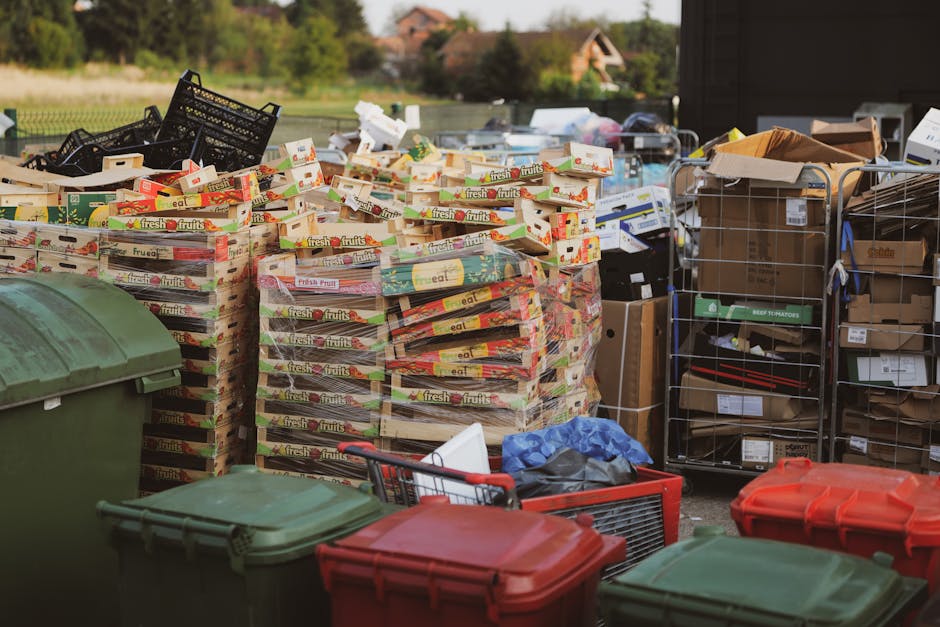
Commercial waste is different from household waste in both scale and pace. Shops generate packaging, display waste, damaged stock, old shelving, and daily mixed rubbish. Offices create paper waste, IT packaging, furniture, kitchen waste, and clearance items when teams move, expand, or refresh their workspace. In Kennington, where many businesses operate from compact premises or shared buildings, a small backlog can quickly become a bigger problem than it looks.
Good rubbish collection is not just about cleanliness. It affects health and safety, customer impression, staff morale, and even the way your business day flows. A cluttered storage corner can slow deliveries. An overfilled bin store can attract pests. A pile of broken pallets in the wrong place can make a simple fire exit check awkward. None of that is dramatic, but it all adds up.
There is also the local factor. Kennington mixes busy retail streets, offices, independent operators, and residential streets. That means access can be tight, parking can be limited, and timings matter. A service that understands the area can save a lot of friction. If you want to see how broader local property and business life fits together in the area, it can also be useful to read why Kennington remains such a strong London base and the practical perspective in this Kennington property guide.
Key point: in a busy place like Kennington, waste collection is operational support, not just a cleanup job. It keeps your business moving, your front-of-house presentable, and your back-of-house manageable.
How Kennington business rubbish collection for shops and offices Works
In most cases, the process is simpler than people expect. You identify the waste, book a collection, prepare access, and have the rubbish removed by a trained team. The exact approach depends on the quantity and type of waste, but the same basic workflow usually applies.
1. Assess what needs removing
Start by separating the waste into rough categories. A shop might have cardboard, plastic wrapping, damaged stock, hangers, broken signage, and old fittings. An office may have paper, printer waste, filing cabinets, desks, chairs, monitors, and archive boxes. Mixed waste is common, but the more you can sort beforehand, the smoother the collection tends to be.
2. Choose the right collection type
For smaller volumes, a one-off collection may be enough. For businesses that produce waste regularly, a recurring service can make more sense. That can be weekly, fortnightly, or scheduled around trading cycles, deliveries, or office clear-outs. If you are comparing broader service options, the services overview is a helpful place to understand what typically sits alongside business rubbish collection.
3. Arrange access and timing
This is the bit that people underestimate. If your shop opens early, a collection before trading starts might be best. If your office is on a shared floor, you may need building access, lift timings, or a loading bay slot. In Kennington, access planning is often half the job.
4. Collection, loading, and removal
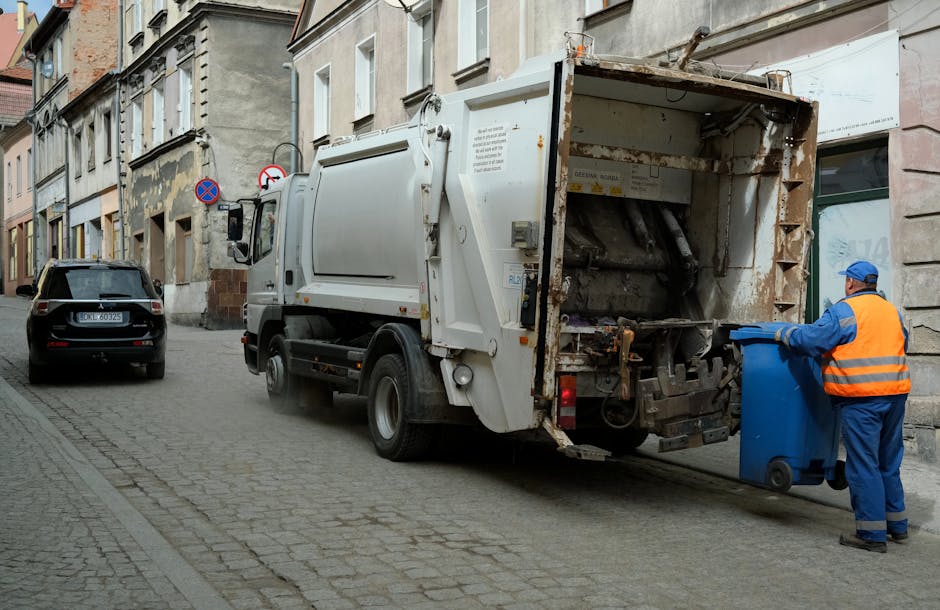
The team arrives, checks the items, loads them safely, and removes them for sorting and disposal. Good operators will handle awkward items carefully, especially in small stairwells, narrow corridors, or busy frontages where customers and staff are still moving around. To be fair, that bit matters more than people realise.
5. Sorting, recycling, and disposal
Reputable services separate recyclable material where possible and manage disposal in line with UK best practice. If you care about waste diversion and sustainability, have a look at the company's approach to recycling and sustainability. That gives you a clearer sense of how mixed business waste should be handled with less landfill waste where practical.
Key Benefits and Practical Advantages
The value of business rubbish collection is not abstract. You notice it in daily work, in customer perception, and in the number of small problems that simply stop happening.
- Cleaner trading spaces: Less clutter in stockrooms, offices, and shared corridors.
- Better first impressions: Customers and visitors tend to notice tidy premises immediately.
- Improved safety: Clear walkways, fewer trip hazards, and less obstruction around exits.
- More efficient operations: Staff spend less time moving waste around or improvising storage.
- Flexible support: Useful for both regular waste and one-off clearances.
- More responsible disposal: Better segregation and recycling where appropriate.
A practical example: a small fashion shop in Kennington might accumulate cardboard, plastic wrap, hangers, and display waste after a stock change. If that sits for a week, the back room starts shrinking, deliveries become awkward, and staff end up working around the mess. A clean-out after restocking can restore space almost instantly. Same story in offices. Desks, filing units, and old monitors have a habit of lingering far too long.
There is also a subtle commercial benefit. A tidy business often feels more organised, even before a customer speaks to anyone. It is not magic. It just signals care.
Who This Is For and When It Makes Sense
This service is useful for a lot more than obvious high-waste businesses. If your premises regularly produce bulky or mixed rubbish, it may already be the right fit.
Shops and retail units
Retailers often need help with packaging, damaged stock, outdated displays, mannequins, signage, fixtures, and end-of-line items. Shops with changing seasonal stock feel this most. A Monday morning after a weekend delivery can be, well, a bit of a battlefield in the back room.
Offices and shared workspaces
Offices tend to generate paper, cardboard, unwanted furniture, and clearance waste during relocations, refurbishments, or reorganisations. If your team works hybrid and storage areas have quietly filled with obsolete chairs and boxes of old files, you are not alone.
Hospitality and customer-facing businesses
While the topic here is shops and offices, many cafes, salons, and professional front-of-house spaces also need this type of service. If the rubbish affects how customers experience your brand, it matters. Simple as that.
Property managers and landlords
Business units in mixed-use buildings often need occasional clearance after tenant changeovers. For broader clearance requirements, the related office clearance service can be a sensible companion to ongoing collection.
It makes the most sense when you need a fast solution, limited disruption, or a collection that fits around trading hours rather than replacing them.
Step-by-Step Guidance
If you are setting this up for the first time, a simple plan is usually best. No need to overcomplicate it.
- Walk the premises and list the waste. Include bags, loose items, bulky waste, and anything stored in back rooms or under counters.
- Separate obvious recyclables. Cardboard, paper, and some packaging can often be handled more efficiently when grouped together.
- Check access routes. Think stairs, lifts, shared entrances, shutters, parking, and loading restrictions.
- Decide on timing. Choose a slot that does not clash with customer footfall or staff handovers.
- Flag any awkward items. Large desks, glass, electrics, sharp materials, or heavy shelving should be mentioned early.
- Confirm the collection scope. Make sure you know what is included, especially if there are mixed waste streams.
- Prepare the waste area. Bring items to one point if possible, but do not block exits or public areas.
- Review after collection. A quick check helps you spot anything left behind and plan the next cycle better.
That last step sounds obvious, but it saves hassle. A short post-collection reset often reveals whether your waste system is actually working or just surviving.
Expert Tips for Better Results
Small adjustments make a real difference. These are the kinds of details that tend to separate a smooth collection from a mildly stressful one.
Keep waste generation predictable
If your business has regular delivery days, stock changeovers, or office resets, schedule rubbish collection around those patterns. Predictability saves time and usually reduces the amount of waste sitting around in the wrong place.
Use the back-of-house space properly
Many shops and offices waste valuable room by letting rubbish spread into storage areas. Use labelled bins, designated pile zones, and a simple rule: if it is waiting for collection, it stays in one place. That is boring advice, maybe, but it works.
Separate bulky items from light waste
Bulky items are awkward because they take up visual and physical space. A few flat-packed chairs and a stack of boxes can look like a mountain. Group them clearly so the collection team can load efficiently.
Think in terms of workflow, not just disposal
Good waste management supports the whole business day. For example, if your office clears paper waste before 9 a.m., staff arrive to a calmer, cleaner environment. If a shop clears cardboard after deliveries, the stockroom is usable again by lunch. These little rhythms matter.
Build in sustainability where practical
Recycling is easiest when you set up the system before the waste appears. In a retail unit, that may mean cardboard flattened immediately. In an office, it could mean a separate paper stream and a simple rule for old electronics. Not perfect, just better.
And yes, someone will still put a mystery mug in the wrong bin. That seems to be universal.
Common Mistakes to Avoid
A lot of waste-related headaches come from the same few errors. Avoiding them is usually cheaper than fixing them later.
- Leaving waste until it becomes urgent: This often causes access problems and disrupts trading.
- Not checking access in advance: Shared entrances, locked courtyards, and tight staircases can slow everything down.
- Mixing everything together: The more disorganised the pile, the harder it is to clear efficiently.
- Forgetting about confidential items: Offices especially should think about files, hard drives, and branded materials.
- Assuming all waste is treated the same: Some items need special handling, and not every collection method suits every load.
- Choosing price alone: Cheapest is not always best if it creates delays, unclear scope, or avoidable rework.
The most common mistake? Treating rubbish as an afterthought. In practice, it is part of operations. Once you see it that way, decisions get easier.
Tools, Resources and Recommendations
You do not need fancy software to manage business waste well, but a few simple tools make life easier.
- Waste log: A basic spreadsheet or notebook recording what was removed and when.
- Bin labels: Clear labels for cardboard, general waste, paper, and mixed items.
- Floor plan notes: Mark the best waste staging point and the easiest access route.
- Collection schedule: Keep one visible calendar for recurring clear-outs or pick-ups.
- Photo record: Before-and-after photos help with planning and accountability.
For businesses looking to understand the wider service family around commercial waste, the waste removal in Kennington page is useful for seeing how larger or mixed loads are typically approached. If your business operations include refurbishment or fit-out work, you may also want to understand builders' waste disposal in Kennington, because office upgrades and shop refurbishments tend to produce a surprising amount of debris.
For trust and process questions, it is also sensible to review service pages covering insurance and safety, terms and conditions, and payment and security. They help you understand what a professional service should be prepared to explain clearly.
Law, Compliance, Standards, or Best Practice
Business waste in the UK should be handled carefully and responsibly. The exact obligations can vary depending on the type of waste, the premises, and the way your business operates, so it is wise to treat compliance as a practical habit rather than a one-off box-tick.
In plain English, that means three things matter most:
- Waste should be stored safely so it does not create hazards for staff, customers, or visitors.
- Waste should be separated sensibly where recycling or special handling is needed.
- Waste should be handed to a responsible service that can manage transport and disposal appropriately.
For offices, that often includes being careful with confidential paper, old IT equipment, and anything that could contain sensitive data. For shops, it may mean watching out for sharp display fittings, broken glass, and packaging waste that accumulates quickly after deliveries.
Best practice also includes keeping a record of major clear-outs, knowing what type of waste you regularly produce, and making sure staff know where to place items. Nothing fancy. Just tidy systems that reduce confusion.
If you are ever unsure about a particular item, especially mixed or unusual waste, ask before collection. That simple step prevents a lot of avoidable mess.
Options, Methods, or Comparison Table
Businesses in Kennington usually have three broad ways to deal with rubbish. The right choice depends on volume, frequency, and how much disruption you can tolerate.
| Method | Best for | Strengths | Limitations |
|---|---|---|---|
| Ad hoc one-off collection | Clear-outs, stock resets, office moves, overflow waste | Flexible, quick, useful for occasional spikes | Not ideal for ongoing waste generation |
| Regular scheduled collection | Shops and offices with steady daily or weekly waste | Predictable, tidy, reduces storage pressure | Requires planning and routine coordination |
| Specialist clear-out service | Office moves, refurbishments, bulky or mixed items | Handles furniture, fittings, and awkward loads efficiently | More suited to project work than routine waste |
For many local businesses, the best arrangement is a mix: regular collection for everyday waste, plus a separate clear-out when the office or shop changes shape. That hybrid approach is often the neatest and, truth be told, the least annoying.
Case Study or Real-World Example
Picture a small independent shop near the centre of Kennington. The business receives regular deliveries twice a week, and every delivery leaves a trail of flattened cardboard, film wrap, damaged packaging, and the odd broken shelf panel. For a while, the back room copes. Then the room starts to feel smaller. Staff move things from one corner to another. Orders take longer to process. A customer trying to collect an item sees clutter through the open back door. Not ideal.
The owner decides to introduce scheduled rubbish collection instead of relying on occasional bin-day improvisation. The team sets aside one waste staging point, flattens cardboard immediately, and keeps bulky materials separate. On collection day, the waste is gathered in one place before opening hours. The result is not glamorous, but it is noticeable: less clutter, easier stock handling, and a calmer start to the day.
A similar pattern plays out in offices. A company upgrades desks and monitors, and old furniture starts accumulating. Instead of leaving it near the meeting room for weeks, they arrange a targeted clearance. Staff get space back, cleaning becomes easier, and the office feels more professional the next morning. Small improvement, big effect.
That is the real value here. Not just removing rubbish, but restoring useful space.
Practical Checklist
Use this checklist before booking a collection for your shop or office.
- Have you listed all waste types, including bulky items?
- Are any items confidential, sharp, heavy, or fragile?
- Do you know where waste will be staged before collection?
- Have you checked access routes, parking, or building entry rules?
- Is the timing suitable for staff, customers, and deliveries?
- Have you separated obvious recyclables where possible?
- Are there any building management requirements to confirm first?
- Do you know whether you need a one-off or recurring service?
- Have you reviewed safety, insurance, and payment details?
- Do you have a plan for what happens after the collection, so the same clutter does not come straight back?
Quick reality check: if your answer to several of these is "not yet," that is fine. It just means the collection will go better with a little preparation. A little, not a mountain of admin.
Conclusion
Kennington business rubbish collection for shops and offices is one of those services that only feels invisible when it is working well. The bins are managed, the stockroom stays usable, the office looks professional, and nobody has to dodge a pile of cardboard on the way to the kettle. That is the whole point, really.
Whether you need a one-off clearance or a more regular arrangement, the best results come from clear planning, sensible sorting, and a service that understands local access and commercial pace. Keep it simple, keep it tidy, and do not let waste become the thing that slows your business down.
Get a free quote today and see how much you can save.
And if you are lining up your next round of premises improvements, it is worth exploring the wider local service context too, including office clearance in Kennington and the company's wider about us information so you can choose with confidence.
 Tipper Van - Rubbish Clearance and Rubbish Removal Prices in Kennington, SE11
 Luton Van - Rubbish Clearance and Rubbish Removal Prices in Kennington, SE11